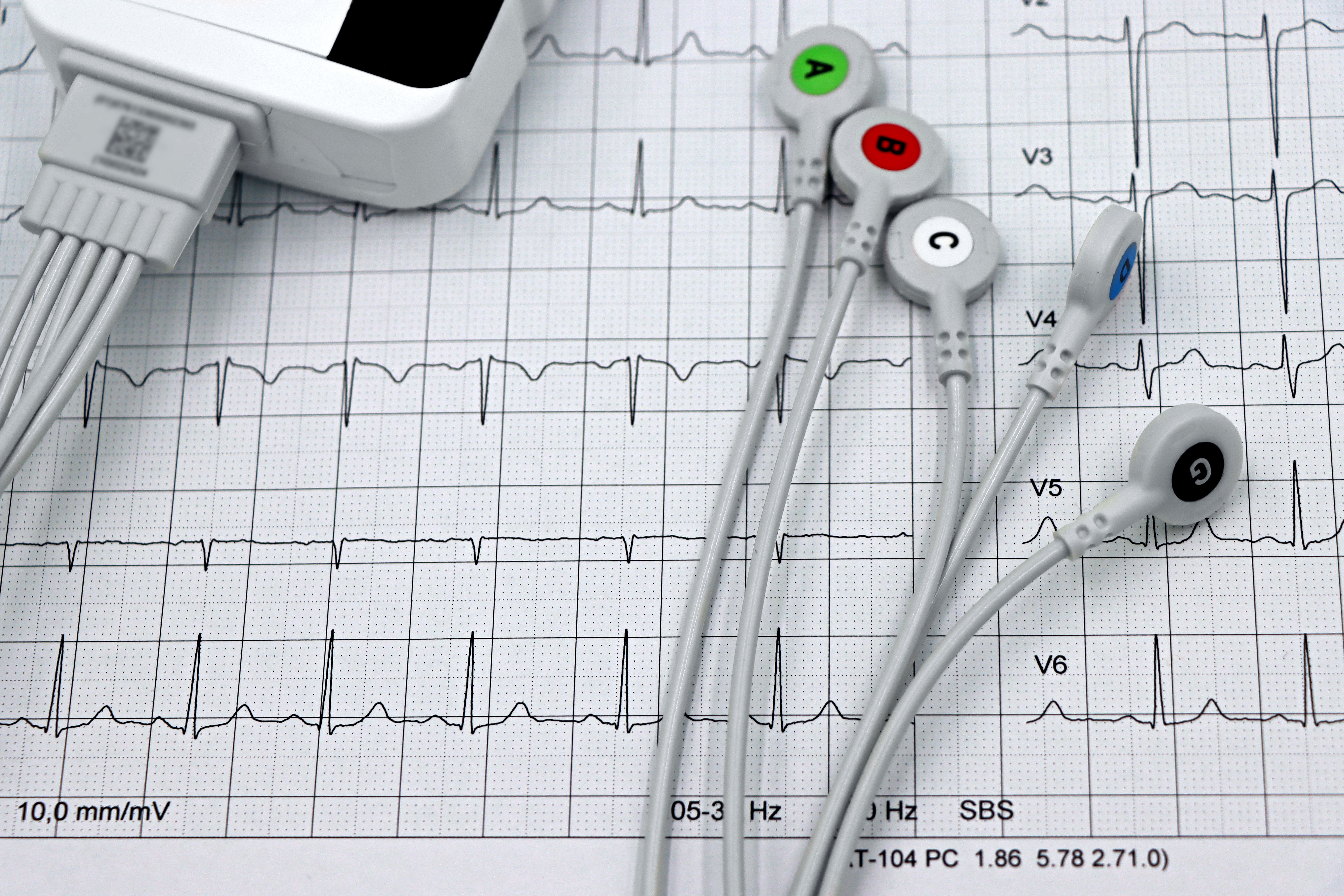
Electrocardiogram (ECG) Testing
A non-invasive, painless test that records the electrical activity of your heart to help diagnose various cardiac conditions and assess overall heart health.
A non-invasive, painless test that records the electrical activity of your heart to help diagnose various cardiac conditions and assess overall heart health.

An electrocardiogram, commonly known as an ECG or EKG, is a fundamental diagnostic tool used to evaluate the health of your heart. Your heart beats because of a tiny electrical impulse that triggers each contraction. An ECG works by placing small, adhesive sensors (electrodes) on your chest, arms, and legs. These sensors detect the electrical signals travelling through your heart muscle with each beat and record them as a series of waves on a graph or monitor. By analysing the timing, strength, and pattern of these electrical signals, our cardiologists can gain critical insights into your heart's function. An ECG provides a wealth of information, helping to detect abnormal heart rhythms (arrhythmias), identify evidence of a previous heart attack, assess the effects of certain heart medications, and determine if the heart chambers are enlarged or overworked. It is a safe, quick, and completely painless procedure that forms an essential part of many routine physical exams and comprehensive cardiac evaluations. Whether you are experiencing symptoms like chest pain or palpitations or are undergoing a pre-operative assessment, an ECG provides a clear, foundational look at your heart's electrical conduction system.
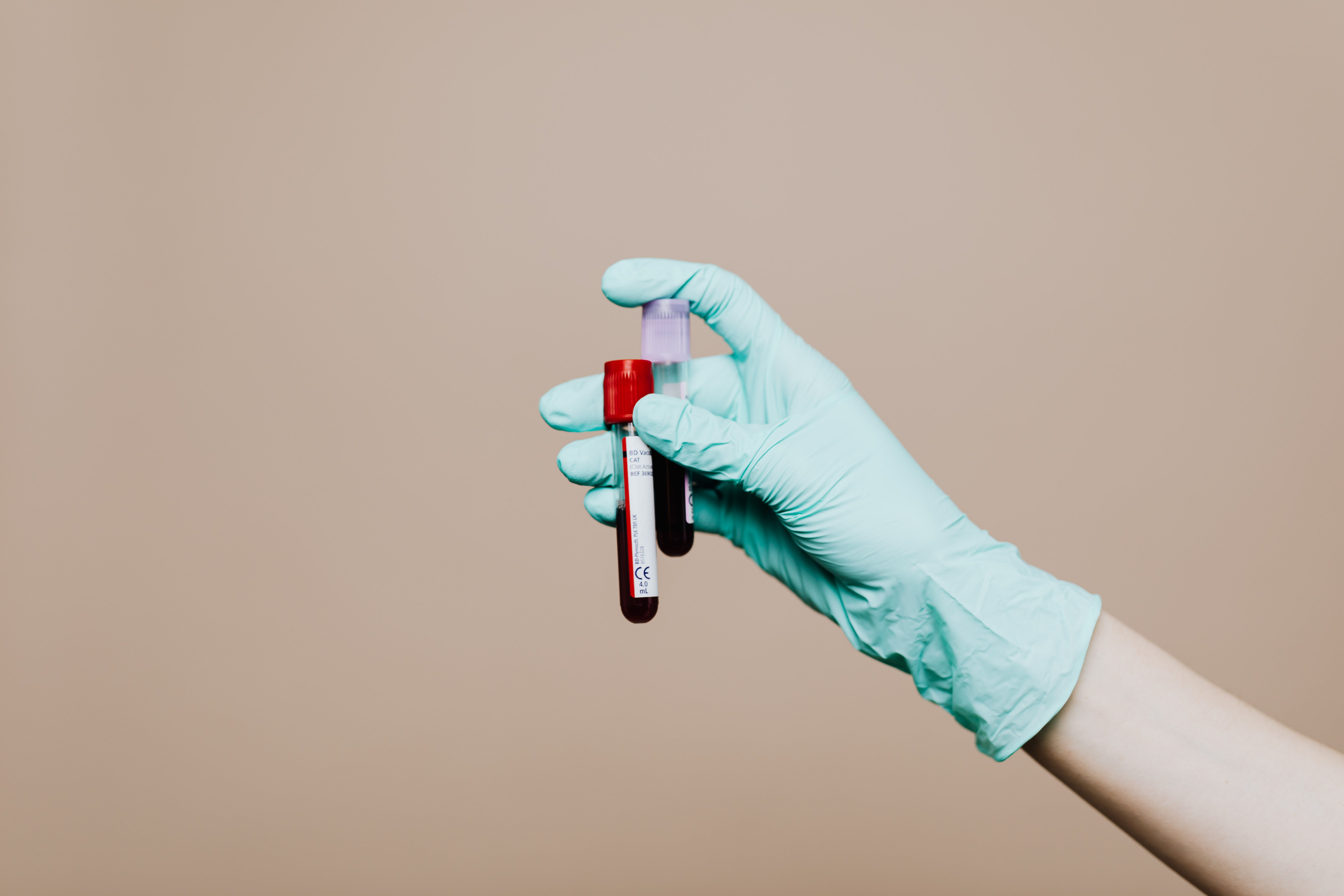
A precise diagnostic test to measure the levels of oxygen, carbon dioxide, and the pH balance in your blood, providing critical information for assessing respiratory and metabolic function.
Learn more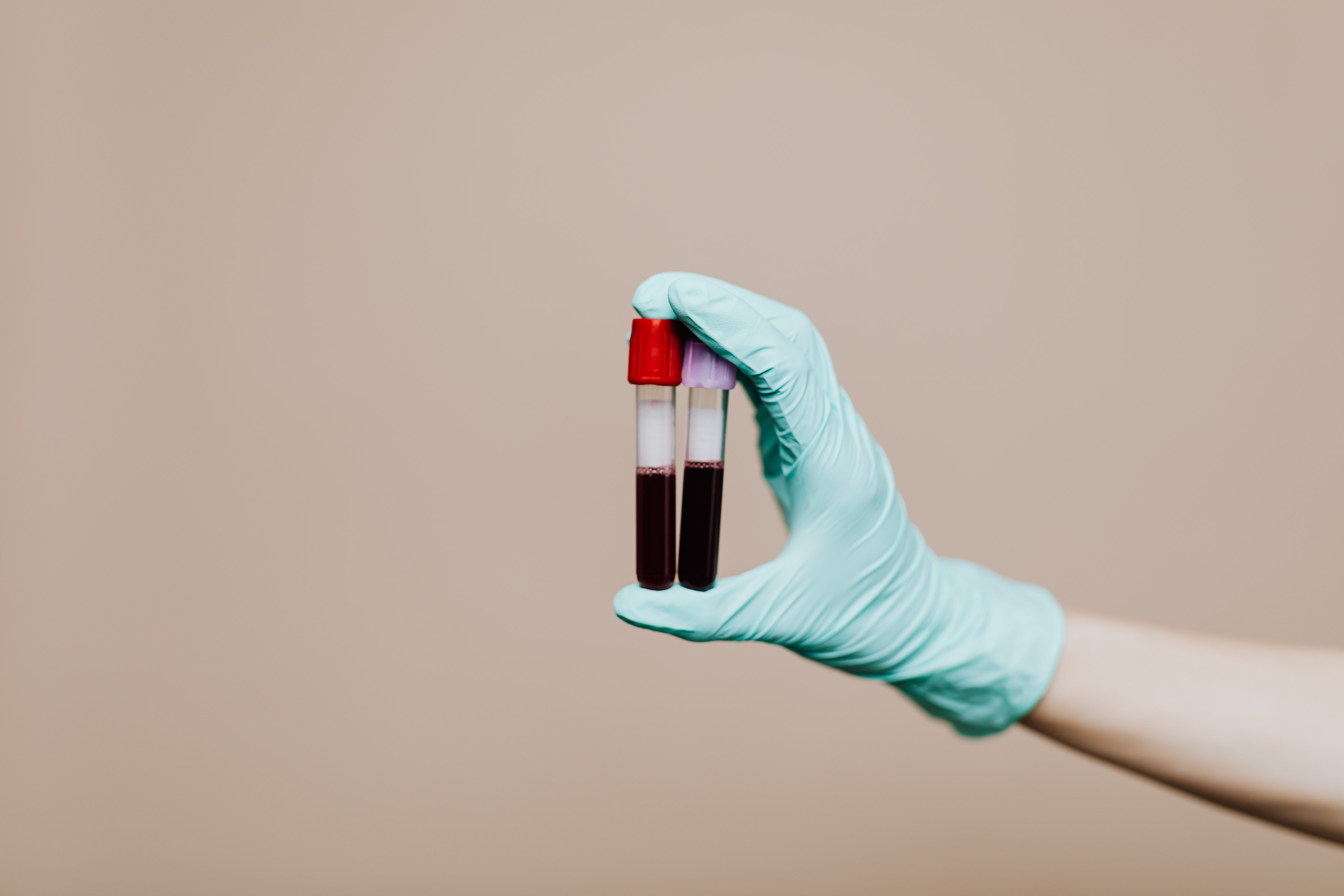
A quick, convenient screening test that measures the current level of glucose in your blood at any given time, regardless of when you last ate.
Learn more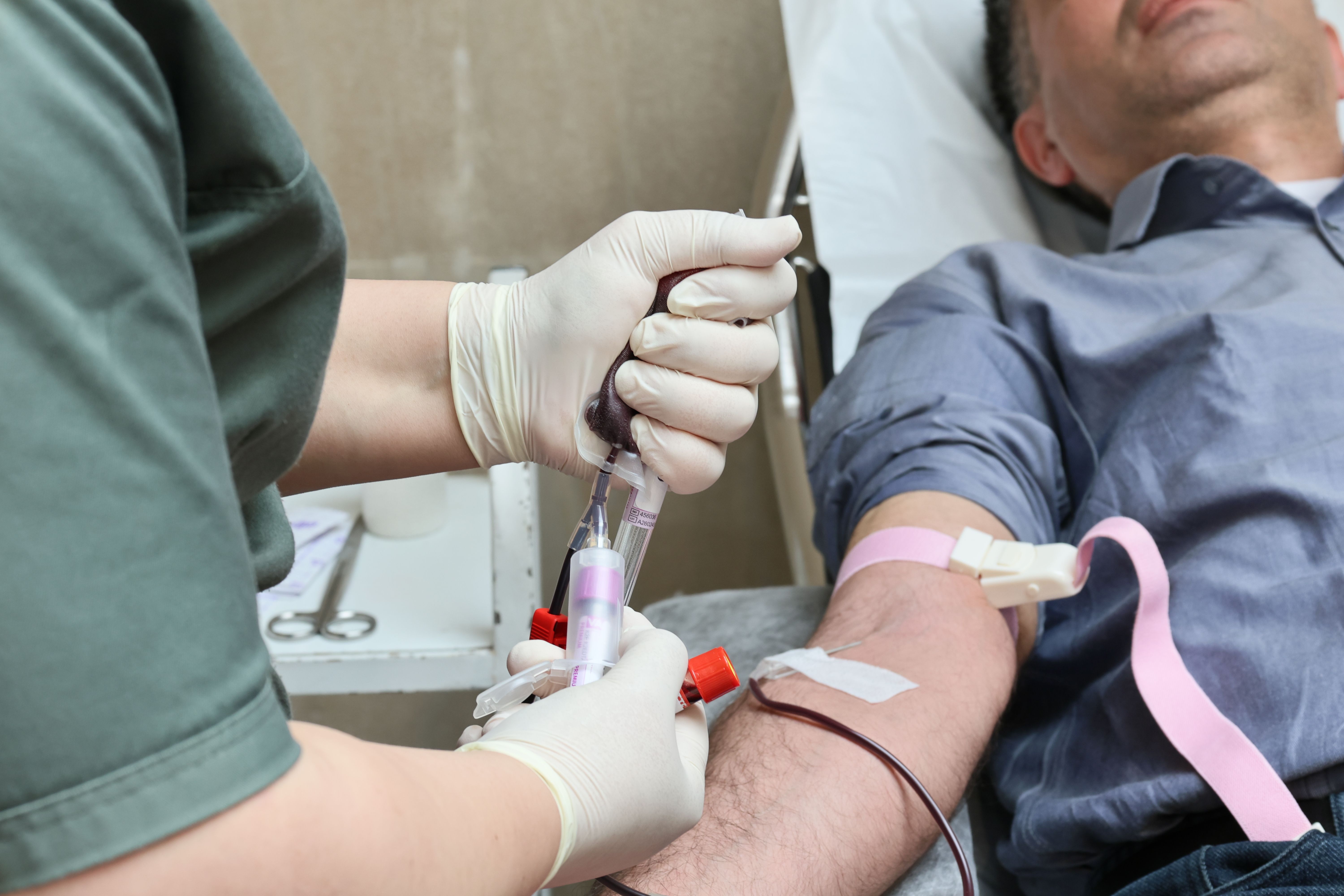
Accurate, safe, and efficient laboratory specimen collection performed by certified phlebotomists, with secure and rapid delivery of results to you and your physician.
Learn moreGet in touch today for a free, no-obligation care assessment. Our friendly team is here to help you find the right support.